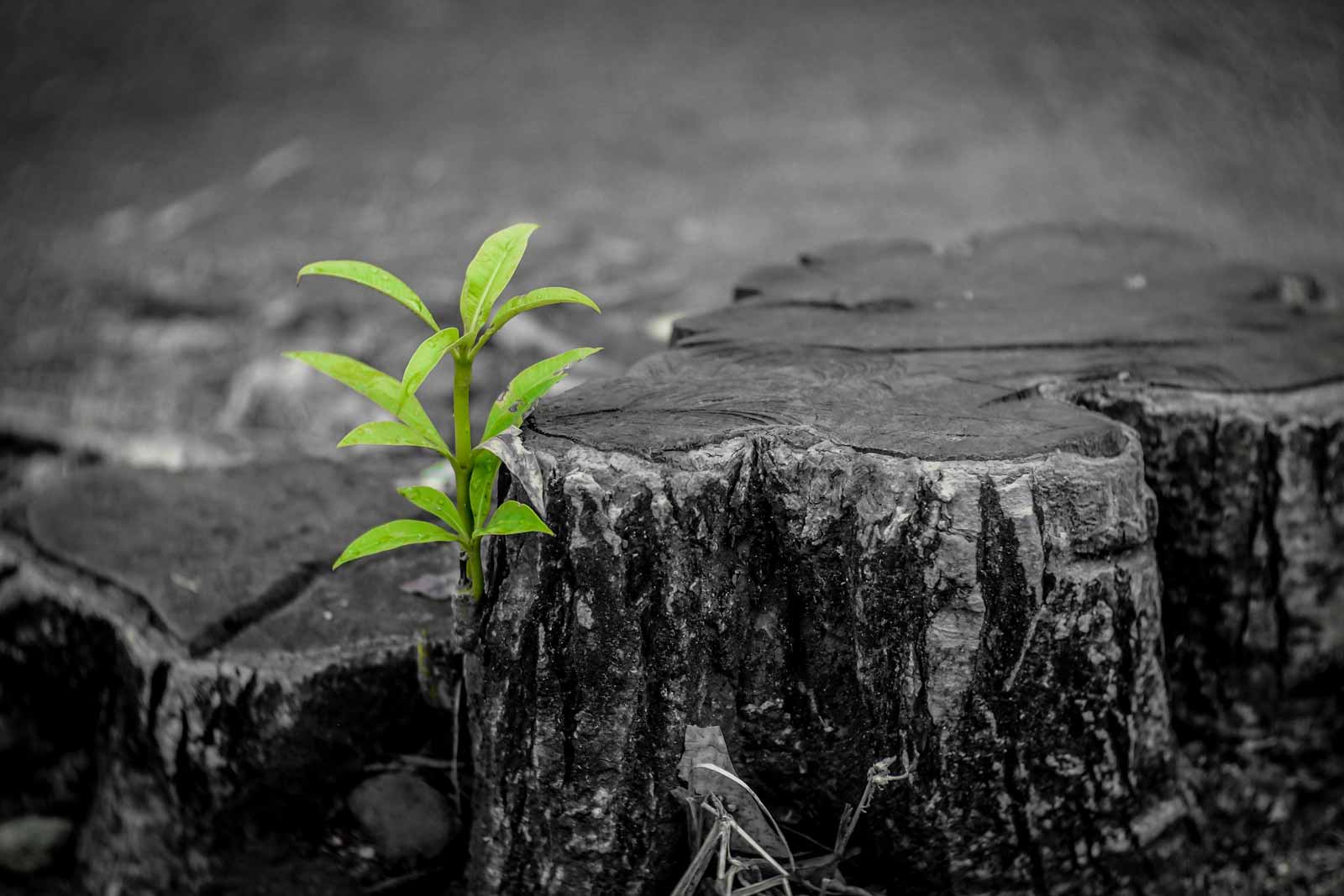

Your childhood experiences matter! The environment you grow up in, the relationships you form, and the challenges you face all play a crucial role in shaping who you become. These early experiences serve as the foundation for emotional, social, and psychological development. When these experiences are nurturing and stable, they foster growth and resilience. However, when they are marked by neglect, abuse, or instability, they can leave deep emotional scars, what we call trauma.
Trauma, especially when experienced in childhood, doesn’t just stay in the past, it often resurfaces in adult life, influencing your behaviors, relationships, and self-perception. Understanding why this happens and how it manifests is essential for healing and growth. Let’s delve deeper into how childhood trauma resurfaces, its psychological impact, and the path to healing.
Why Does Childhood Trauma Resurface in Adult Life?
Childhood trauma often resurfaces because the brain encodes traumatic memories differently from ordinary memories. When one experiences trauma as a child, your brain, particularly the amygdala and hippocampus, goes into survival mode. These regions store sensory and emotional impressions of the traumatic event, even if you don’t consciously remember it. As an adult, triggers—such as certain smells, sounds, or situations—can activate these stored memories, causing emotional or physical reactions.
Developmental psychology also highlights that unresolved trauma can create patterns in adulthood. For example, if you experienced neglect, you might struggle with feelings of unworthiness or seek excessive validation in relationships. These patterns are brain’s way of protection, but can also hinder the ability to form healthy connections.
Additionally, life transitions such as becoming a parent, entering a romantic relationship, or experiencing stress can unearth childhood trauma. These transitions may mirror past experiences, bringing unresolved emotions to the surface.
It’s important to note that trauma doesn’t have to stem from extreme events like abuse. Even subtle and prolonged experiences, such as feeling unseen or unheard by caregivers, can have significant psychological effects. These early imprints often resurface in adulthood, influencing how you perceive yourself and others.
Signs and Symptoms of Trauma
Trauma manifests differently in everyone, but there are common signs and symptoms to look out for. Recognizing these signs is the first step toward addressing and healing from trauma. Here are some indicators:
- Emotional Symptoms:
- Persistent feelings of sadness, anxiety, or anger.
- Emotional numbness or detachment from others.
- Overwhelming feelings of guilt or shame.
- Physical Symptoms:
- Fatigue, insomnia, or frequent nightmares.
- Chronic pain or unexplained physical ailments.
- Heightened startle response or hypervigilance.
- Behavioral Symptoms:
- Avoidance of people, places, or situations that remind you of the trauma.
- Difficulty maintaining relationships or trusting others.
- Engaging in self-destructive behaviors like substance abuse or overeating.
- Cognitive Symptoms:
- Difficulty concentrating or making decisions.
- Intrusive thoughts or flashbacks of the traumatic event.
- Negative self-perception or hopelessness about the future.
If these symptoms resonate with you, it’s important to seek help. Trauma can feel isolating, but you don’t have to face it alone.
Conflicts vs. Trauma: Understanding the Difference
Not all challenges or conflicts in life lead to trauma. It’s crucial to differentiate between healthy conflicts and traumatic experiences. Healthy conflicts are an inevitable part of life. They involve disagreements or challenges that can often be resolved through communication, compromise, and reflection. In fact, navigating healthy conflicts helps build resilience and emotional maturity.
Trauma, however, goes beyond everyday challenges. It’s defined as an overwhelming event or series of events that exceed your ability to cope and leave a lasting impact on your emotional, physical, or mental well-being. The key difference lies in the aftermath:
- Healthy Conflicts: Temporary and resolvable; they do not hinder your ability to function or feel safe.
- Trauma: Persistent and disruptive; it creates a sense of helplessness and may interfere with daily life, relationships, and overall functioning.
If a past event continues to cause distress, affects your self-worth, or creates barriers to living a fulfilling life, it may be trauma. And if that’s the case, know that it’s okay to seek help. You deserve peace and healing.
Healing from Traumatic Events
Healing from trauma is not a linear process, but it is possible. It requires patience, self-compassion, and often, support from professionals or loved ones. Here are some steps to consider:
- Acknowledge Your Pain: The first step to healing is recognizing that your trauma is valid. It’s okay to feel hurt, angry, or lost. You’ve survived something difficult, and that’s a testament to your strength.
- Build a Support System: Surround yourself with people who uplift and support you. Sharing your experiences with trusted friends, family, or support groups can alleviate feelings of isolation.
- Practice Self-Care: Engage in activities that nourish your body and mind, such as exercise, meditation, or creative pursuits. Taking care of yourself is not selfish; it’s essential for healing.
- Challenge Negative Beliefs: Trauma often leaves behind distorted beliefs like “I am not enough” or “I’ll never be safe.” Work on reframing these thoughts to reflect your worth and resilience.
- Be Patient: Healing takes time. Celebrate small victories and progress, no matter how insignificant they may seem.
If you’ve come this far, I’m so proud of you. Surviving trauma is no small feat, and your courage to move forward is deeply inspiring.
Childhood trauma may resurface in adult life, but it doesn’t have to define your future. Healing is a journey of rediscovering your strength, rebuilding your sense of safety, and reclaiming your life. As you navigate this path, remember that you are not alone and that it’s okay to seek support.
Signs and Symptoms of Trauma
Trauma manifests differently in everyone, but there are common signs and symptoms to look out for. Recognizing these signs is the first step toward addressing and healing from trauma. Here are some indicators:
Emotional Symptoms:
Persistent feelings of sadness, anxiety, or anger.
Emotional numbness or detachment from others.
Overwhelming feelings of guilt or shame.
Physical Symptoms:
Fatigue, insomnia, or frequent nightmares.
Chronic pain or unexplained physical ailments.
Heightened startle response or hypervigilance.
Behavioral Symptoms:
Avoidance of people, places, or situations that remind you of the trauma.
Difficulty maintaining relationships or trusting others.
Engaging in self-destructive behaviors like substance abuse or overeating.
Cognitive Symptoms:
Difficulty concentrating or making decisions.
Intrusive thoughts or flashbacks of the traumatic event.
Negative self-perception or hopelessness about the future.
If these symptoms resonate with you, it’s important to seek help. Trauma can feel isolating, but you don’t have to face it alone.
Conflicts vs. Trauma: Understanding the Difference
Not all challenges or conflicts in life lead to trauma. It’s crucial to differentiate between healthy conflicts and traumatic experiences. Healthy conflicts are an inevitable part of life. They involve disagreements or challenges that can often be resolved through communication, compromise, and reflection. In fact, navigating healthy conflicts helps build resilience and emotional maturity.
Trauma, however, goes beyond everyday challenges. It’s defined as an overwhelming event or series of events that exceed your ability to cope and leave a lasting impact on your emotional, physical, or mental well-being. The key difference lies in the aftermath:
Healthy Conflicts: Temporary and resolvable; they do not hinder your ability to function or feel safe.
Trauma: Persistent and disruptive; it creates a sense of helplessness and may interfere with daily life, relationships, and overall functioning.
If a past event continues to cause distress, affects your self-worth, or creates barriers to living a fulfilling life, it may be trauma. And if that’s the case, know that it’s okay to seek help. You deserve peace and healing.
Healing from Traumatic Events
Healing from trauma is not a linear process, but it is possible. It requires patience, self-compassion, and often, support from professionals or loved ones. Here are some steps to consider:
Acknowledge Your Pain: The first step to healing is recognizing that your trauma is valid. It’s okay to feel hurt, angry, or lost. You’ve survived something difficult, and that’s a testament to your strength.
Build a Support System: Surround yourself with people who uplift and support you. Sharing your experiences with trusted friends, family, or support groups can alleviate feelings of isolation.
Practice Self-Care: Engage in activities that nourish your body and mind, such as exercise, meditation, or creative pursuits. Taking care of yourself is not selfish; it’s essential for healing.
Challenge Negative Beliefs: Trauma often leaves behind distorted beliefs like “I am not enough” or “I’ll never be safe.” Work on reframing these thoughts to reflect your worth and resilience.
Be Patient: Healing takes time. Celebrate small victories and progress, no matter how insignificant they may seem.
If you’ve come this far, I’m so proud of you. Surviving trauma is no small feat, and your courage to move forward is deeply inspiring.
Childhood trauma may resurface in adult life, but it doesn’t have to define your future. Healing is a journey of rediscovering your strength, rebuilding your sense of safety, and reclaiming your life. As you navigate this path, remember that you are not alone and that it’s okay to seek support.